
In an earlier post, I was talking a little about using Artificial Intelligence in writing. This is some more thoughts on the subject, focusing on the ethical aspect of using AI for writing in general but marketing writing, especially.
Artificial intelligence (AI) has been a driving force in the evolution of technology in recent years. With the advancements in machine learning algorithms, AI has been able to adapt to different fields and domains, including writing. In the marketing field, AI-powered writing tools are becoming increasingly popular as companies seek to produce better content in less time. However, the use of AI for writing raises ethical concerns that need to be considered.
Writers going out of business
One ethical concern is the potential loss of jobs. AI-powered writing tools are designed to work faster and more accurately than human writers. This means that companies can produce more content at a lower cost, which can lead to a reduction in the number of human writers needed. This raises ethical questions about the impact of AI on the job market, and how it may affect the livelihoods of writers.
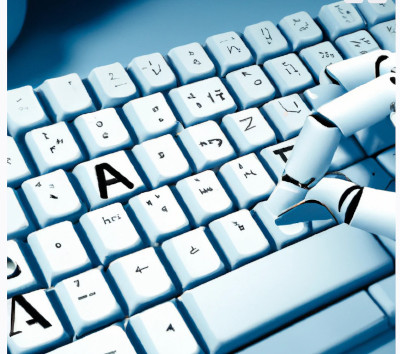
Is it correct
Another ethical aspect to consider is the accuracy and bias of AI-generated content. While AI tools are highly advanced, they are still programmed by humans and can have biased results. For example, an AI-powered tool may be trained on data that is biased toward a particular type of content or audience. This could result in the production of content that is not representative of the true diversity of a company or a particular topic.
Who actually wrote it – Do you own the copyright
In addition, the use of AI for writing raises questions about ownership and authorship. If an AI tool is used to generate content, who should be considered the author? Should it be the human who programmed the tool or the tool itself? Who owns the copyright for the content produced by the tool? These are important questions that need to be considered in the legal and ethical framework surrounding AI-powered writing tools.
In AI we trust
The use of AI for writing also raises questions about the authenticity of the content produced. While AI tools can produce high-quality content, it is not always clear whether the content has been generated by a person or a tool. This can lead to questions about the trustworthiness of the content, especially in situations where authenticity is essential, such as news reporting.
Am I creative, really
Finally, there are concerns about the impact of AI on creativity. Human writers are often praised for their creativity, but can AI replace this aspect of writing? Some argue that AI tools can only mimic human creativity, and cannot truly replicate it. This raises important questions about the value of creativity and the role of technology in creative industries.
What do you think
The use of AI for writing in the marketing field raises important ethical considerations that need to be addressed. These include concerns about job loss, accuracy and bias, ownership and authorship, authenticity, and the impact on creativity. While AI-powered writing tools have the potential to improve the efficiency and quality of content production, it is important to consider these ethical aspects to ensure that the use of AI is responsible and sustainable.


 The Roine Playground
Lämna en kommentar