
I get some correspondence about how my mind works, sometimes, and this, my friends, is a prime example. I want to start off by saying that I in no way or form condone the use of illegal substances. Buuuuut….
In the history of human creativity, two controversial catalysts have stood out in modern history: artificial intelligence, exemplified by tools like ideogram, DALL-E, and Midjourney, and psychotropic drugs. Both have been heralded as revolutionary aids to the creative process while simultaneously being viewed with skepticism and concern. This post, while highly suggestive and hypothetical, explores the parallels and contrasts between these two unconventional sources of creative inspiration, examining their impact, implications, and the debates they’ve ignited.
AI and Creativity: The New Frontier
AIs role in enhancing creativity is a relatively recent phenomenon, with tools like DALL-E and Midjourney at the forefront. These AIs serve as collaborative partners, offering artists, writers, and creators new ways to visualize ideas and concepts that were previously confined to the limitations of human imagination. By processing vast amounts of data and learning from existing styles and patterns, AI can generate unique artworks, music, literature, and more, pushing the boundaries of what’s considered possible.
Proponents of AI in creative processes argue that it democratizes creativity, providing individuals with limited technical skills or resources access to high-quality artistic tools. Furthermore, AI can stimulate human creativity by presenting perspectives and ideas that might not occur naturally to the human mind, thus fostering innovation and originality.
However, the use of AI in creativity is not without its critics. Some fear that AI could overshadow human creativity, making art and culture too machine-dependent. There’s also the concern about the authenticity and soul of art created with or by AI, with skeptics questioning whether AI-generated art can convey the depth of human experience and emotion.
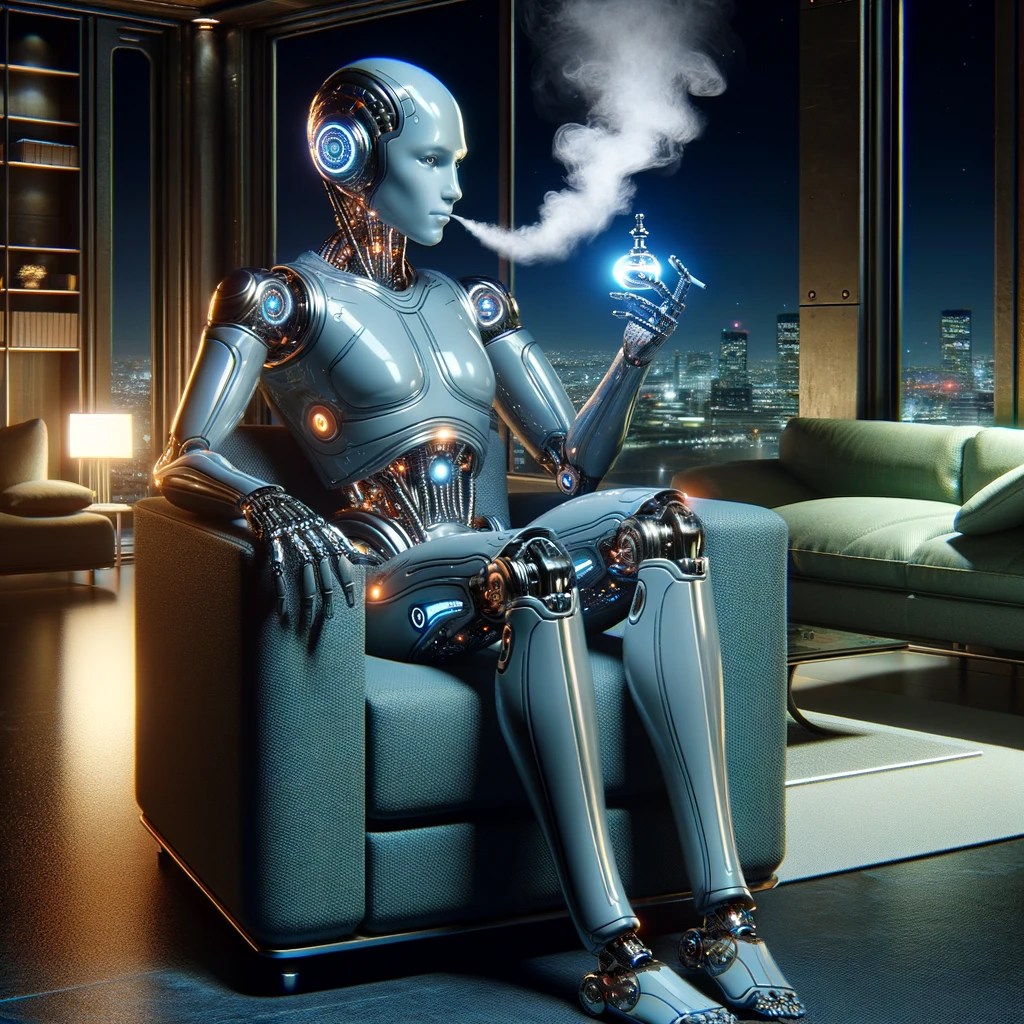
Psychotropic Drugs and Creativity: A Controversial Muse
The relationship between psychotropic drugs and creativity has a longer and more tumultuous history. Figures from various creative fields have turned to substances like LSD, psilocybin, and cannabis, claiming these substances break down barriers to the subconscious, foster novel connections, and enhance sensory perception, thereby aiding in the creative process.
Notable artists, musicians, and writers have credited psychotropic drugs with providing profound creative insights and inspiration. These substances are said to facilitate a kind of mental detour from the usual paths of thought, leading to unconventional ideas and groundbreaking artistic expressions.
Yet, the use of psychotropic drugs for creative enhancement is fraught with legal, ethical, and health-related issues. The potential for dependency, mental health deterioration, and the unpredictability of drug-induced experiences pose significant risks. Moreover, the debate continues as to whether the creativity elicited by drug use is genuinely authentic or merely a chemical byproduct.
Comparing AI and Psychotropic Drugs in Creativity Enhancement
While AI and psychotropic drugs are vastly different tools, their roles in augmenting human creativity share some intriguing parallels. Both serve as external catalysts that introduce an element of unpredictability and novelty, challenging conventional thought patterns and processes. They act as accelerators, pushing the creative mind beyond its usual boundaries.
However, the differences are equally stark. AIs involvement in the creative process is interactive and collaborative, allowing for a blend of human and machine-generated creativity. In contrast, psychotropic drugs alter the creator’s mental state, with the individual often surrendering control to the drugs effects.
Another critical distinction lies in the societal and ethical considerations surrounding each. AI, while controversial, operates within a legal and rapidly evolving framework, with discussions centered around copyright, originality, and the future of work. In contrast, the use of psychotropic drugs for creativity often navigates a murky legal landscape, with debates heavily influenced by issues of health, morality, and legality.
The Future of Creativity: Blending Human and External Catalysts
The future of creativity may well lie in a nuanced understanding and integration of these external aids. As AI technology advances and becomes more intertwined with human processes, the potential for a symbiotic relationship grows, offering new dimensions to human creativity. Similarly, a deeper understanding of psychotropic drugs impact on the brain could lead to more informed and responsible use, potentially unlocking new creative potentials while mitigating risks.
In conclusion, AI and psychotropic drugs represent two sides of the same coin in their role as augmenters of human creativity. Both reflect humanity’s enduring quest to transcend its inherent limitations and explore new realms of possibility. As we navigate this evolving landscape, the challenge will be to harness these tools responsibly, ensuring that they enhance rather than eclipse the intrinsic creativity that defines our humanity.


 The Roine Playground
Lämna en kommentar