
As a gay man and 50+ I’ve stood on the barricades as an activist for equal rights. Those rights are on the verge of vanishing now. And we need to do something. NOW!
META (ya know, facebook, Insta, and other large social media platforms) changed their advertising policy for the EU earlier this year and it’s not good news for already marginalized groups. Not at all!
Meta’s EU advertising ban is not just a corporate tantrum. It is an authoritarian dream served on a silver platter.
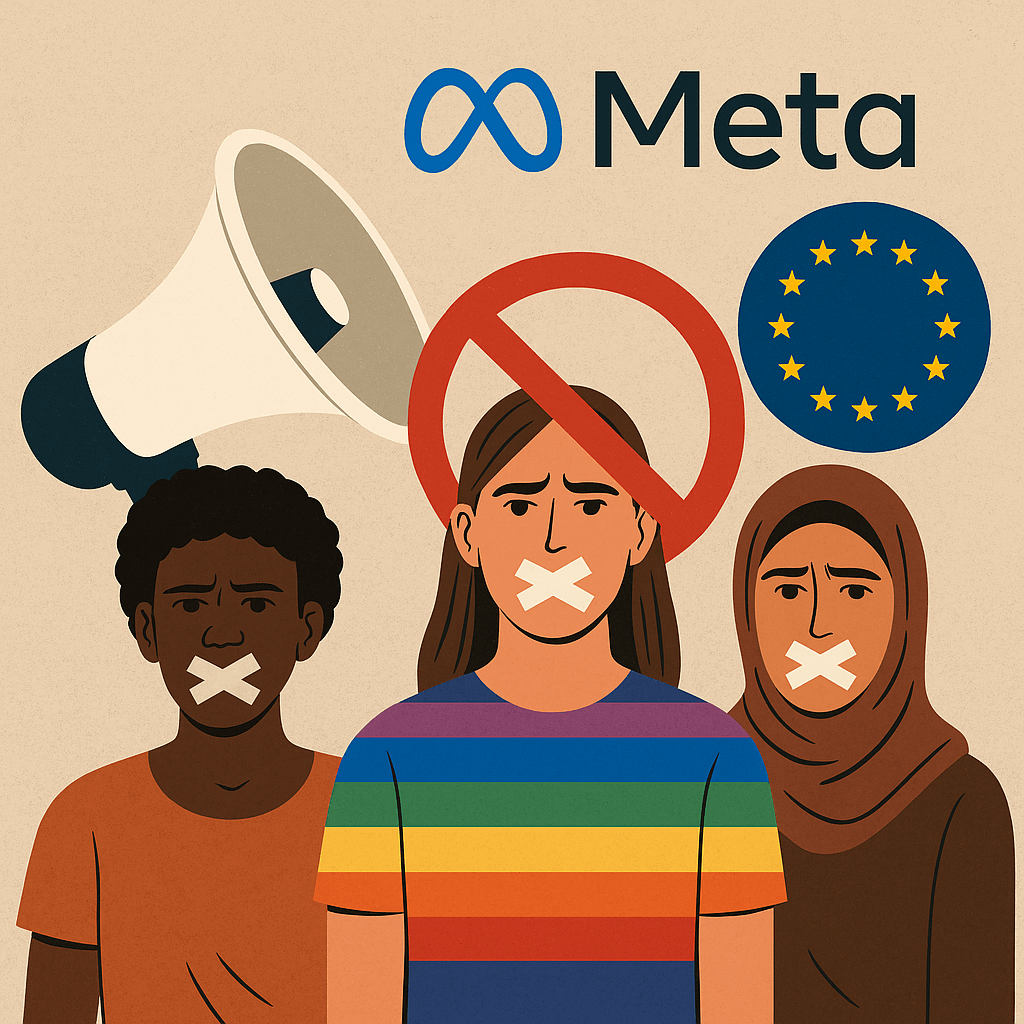
Because when Meta shut down political and social issue ads across 27 democracies, it did not silence political parties. It silenced the people who challenge them. It silenced the activists, the queer organisations, the minority rights groups, and every NGO scraping together a five hundred euro budget to tell their communities that they matter.
Governments with hostile agendas did not have to censor anyone.
Meta did it for them.
And it was packaged as “compliance.”
This is not a policy decision. This is structural violence wrapped in legalese.
The groups that needed paid reach the most are exactly the groups authoritarian governments wish would go away. The LGBTQ organisation in Budapest trying to warn queer youth about new legal threats. The refugee support network in Warsaw trying to organise winter supplies. The feminist collective in Rome trying to rally against another attack on bodily autonomy. These groups rely on targeted ads because they do not have the luxury of millions of followers. They do not have party machinery. They do not have state television. They have one tool. Reach.
And their reach just got switched off.
The EU proudly announced a transparency regulation. Meta responded by killing the microphone.
If you think that is compliance, you have not been paying attention. This is corporate geopolitics. This is a platform forcing lawmakers to choose between enforcing regulation or preserving the digital public square. And Europe blinked.
Behind the press releases and the PR spin sits a very simple truth. Meta has more control over the visibility of political speech than most elected governments in the EU, or world, for that matter. That is not a conspiracy theory. That is the reality of a continent whose public discourse now runs through three companies headquartered in the United States (META, Google, and X). The EU thought it was regulating power. Instead, it exposed how little of it it actually has.

Authoritarian governments in the EU have been trying for years to muzzle civil rights groups. They passed hostile laws. They threatened funding. They went after individual activists. And none of that worked as effectively as one Silicon Valley company refusing to deal with paperwork.
That is the real horror.
The silencing was not done by force.
It was done by terms of service. Let that sink in! Terms Of Service!
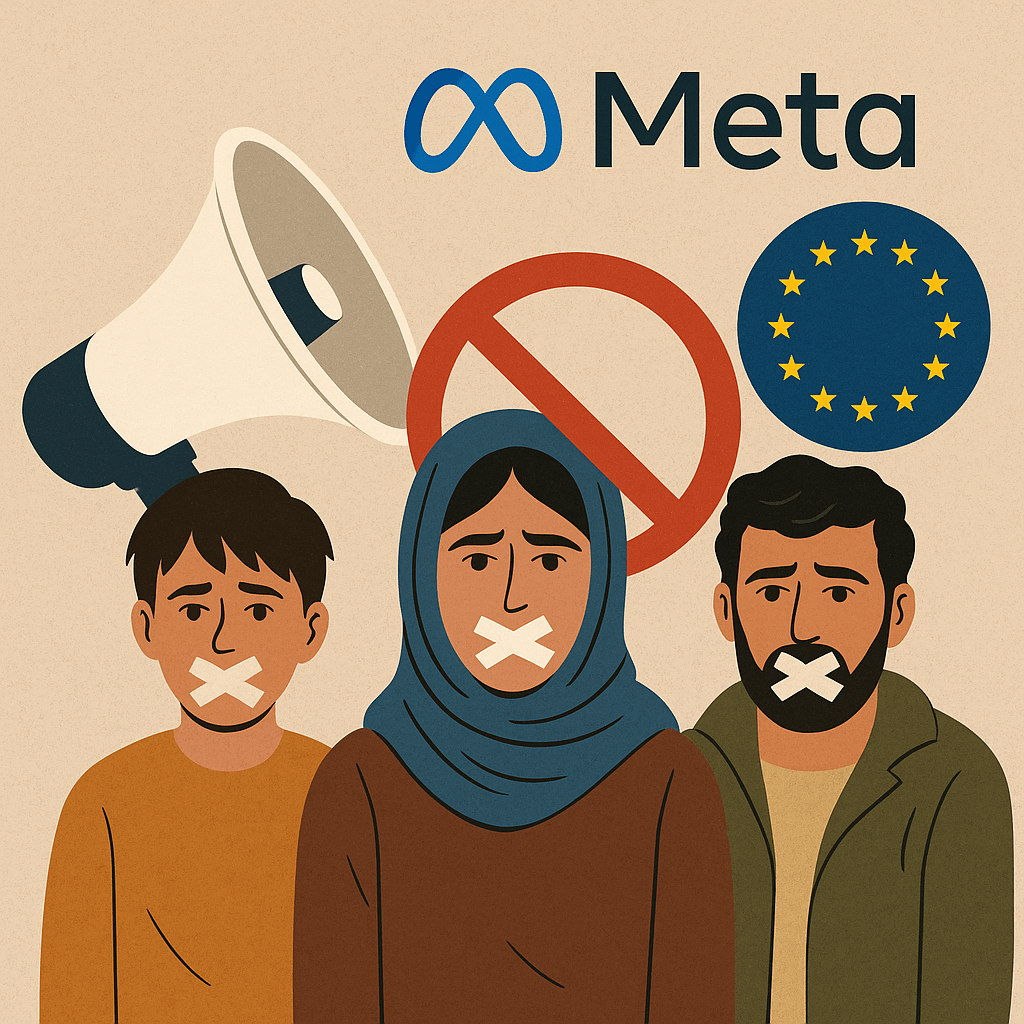
Meta did not just suspend political ads. It suspended the ability of Europe’s most vulnerable communities to defend themselves. It erased the digital megaphones for queer voices, migrant voices, anti racism voices, sex worker rights groups, disability activists, climate organisers, and every single grassroots movement that keeps democracy from tipping into the abyss.
Do not pretend this is neutral. Neutrality is fiction. Platform policy always has a winner and a loser. And right now, the winners are the states that wanted less public scrutiny and fewer loud minorities. The losers are everyone who refuses to stay quiet.
So here is the question Europe needs to ask itself.
What happens to democracy when the public square belongs to a private company that can delete political speech with a blog post?
And a more frightening question:
What happens when that deletion happens to benefit exactly the governments that crave silence around their human rights abuses?
Meta did not set out to please authoritarians.
But impact matters more than intention, here.
This is not a ban.
This is a blueprint.
If Europe does not wake up, this will not be the last time a platform decides which voices get to exist.
The images in this post are AI generated.


 The Roine Playground
Lämna en kommentar